

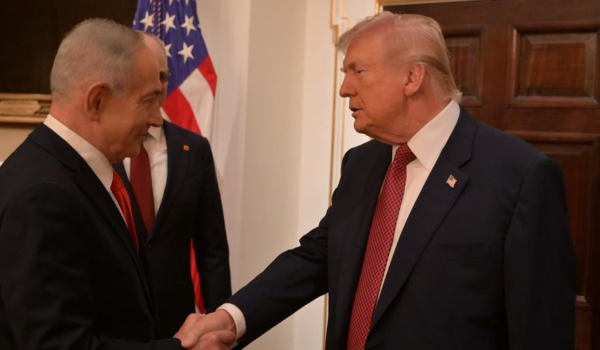
In a high-stakes encounter shrouded in diplomacy and silence, Israeli Prime Minister Benjamin Netanyahu spent three hours behind closed doors with President Donald Trump at the White House. While Netanyahu exited the West Wing without uttering a word to the press, the meeting signaled a critical pivot in U.S. Middle East policy, focusing on a dual-track strategy of renewed Iranian nuclear negotiations and a structured “Board of Peace” to handle the fallout in Gaza.
President Trump later broke the silence on Truth Social, characterizing the talks as “very good” despite the lack of a definitive breakthrough. The central tension remains Tehran. Trump confirmed he is doubling down on a nuclear deal, but with a sharp warning attached: the U.S. expects “reasonable and responsible” behavior from Iran.
The President didn’t mince words regarding the alternative, reminding Tehran of previous U.S. strikes following rejected deals. This “deal-or-else” rhetoric comes just days after indirect talks in Oman sparked a flicker of optimism between Washington and Tehran.
While the U.S. focuses on enrichment levels, Netanyahu is widening the lens. His office signaled that any viable deal must be “comprehensive,” moving beyond nuclear capabilities to dismantle:
- Ballistic missile programs: Curtailing Iran’s long-range strike capability.
- Proxy networks: Cutting off the lifeblood to militant groups like Hamas and Hezbollah.
Beyond the Iran dilemma, the visit solidified a new diplomatic instrument. Before the White House meeting, Netanyahu met with Secretary of State Marco Rubio to officially join Trump’s Board of Peace.
Originally designed to oversee the fragile Gaza ceasefire, the Board’s mandate has rapidly expanded. It is now positioned as a high-level crisis management body, set to meet next week to address “tremendous progress” in Gaza and broader regional instability. By bringing Netanyahu into this formal structure, Trump appears to be shifting from ad-hoc diplomacy to a more institutionalized—and scrutinized—peace process.