

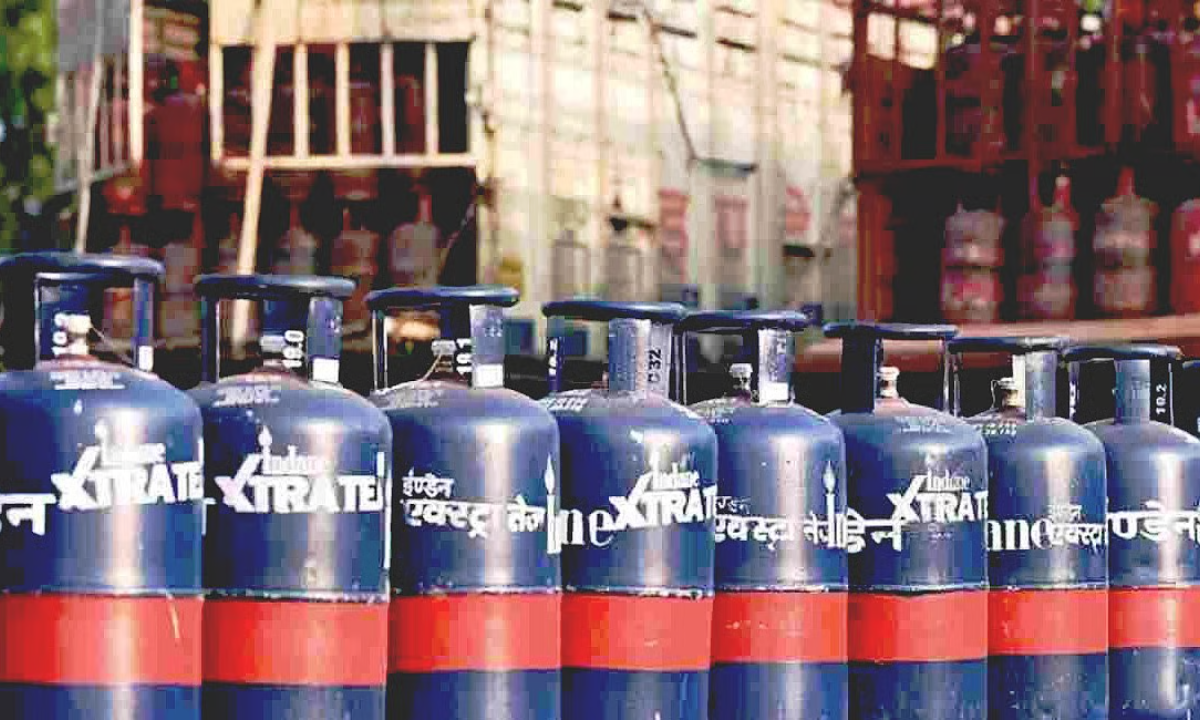
The West Asia conflict’s energy ripple effects have arrived at India’s dining tables. Hotel and restaurant associations across Bengaluru, Chennai, and Mumbai have sounded a sharp alarm over a severe shortage of commercial LPG cylinders — with the Bangalore Hotels Association warning that establishments across the city could be forced to shut from Tuesday, March 10, and roughly 20 percent of Mumbai’s hotels and restaurants already having suspended operations.
The Bangalore Hotels Association issued a stark statement on Monday, saying that gas supply to the city’s hospitality sector has effectively stopped and that hotel and restaurant operations are likely to be disrupted starting March 10. Association president PC Rao told reporters that the industry would function “till the last drop to serve people,” while appealing to Union Ministers for immediate intervention to resume commercial gas supply.
The association noted that oil companies had previously guaranteed an uninterrupted supply for 70 days, making the sudden stoppage “a big blow” to the industry. It underlined that the hotel industry is an essential service relied upon by students, medical professionals, and daily wage earners for their meals.
In Chennai, Hotels Association president M. Ravi wrote directly to Prime Minister Narendra Modi, describing the situation as “now become even more critical.” His letter flagged that hospitals, IT parks, college hostels, and train and business travellers all depend on the food service industry — and that banquet bookings at star hotels are also at risk. He urged the Prime Minister for an immediate guarantee of uninterrupted commercial LPG supply to the food industry across Tamil Nadu.
Mumbai’s hospitality sector is already living the crisis. About 20 percent of hotels and restaurants have suspended operations, while iconic eateries in Dadar, Andheri, and Matunga have begun shortening their menus — dropping labour-intensive dishes like Dal Makhani and Rava Dosa — and reducing operating hours to conserve their remaining gas stocks.
The Federation of Hotel and Restaurant Associations of India (FHRAI) wrote to Petroleum Minister Hardeep Singh Puri, flagging “widespread disruption at the ground level” and alleging that several distributors are withholding supplies citing a government order dated March 5. FHRAI Secretary General Jaison Chacko urged the government to issue a formal clarification confirming that no restrictions apply to the hospitality and food service sectors, and called for a clear mandate to oil marketing companies for seamless cylinder distribution.
The National Restaurant Association of India (NRAI) echoed the concern on X, noting that while the government had publicly stated there was no ban on commercial LPG supply for restaurants, “the ground situation is different, with suppliers expressing inability to supply.”
The Ministry of Petroleum and Natural Gas has ordered oil refineries to increase LPG production, invoked the Essential Commodities Act to prioritise domestic cooking gas, and constituted a three-member committee of Executive Directors from oil marketing companies to review representations from the hotel, restaurant, and hospitality sectors. It has also said that imported LPG for non-domestic use is being prioritised for hospitals and educational institutions.
Hardeep Singh Puri last week maintained that India is in a “comfortable position” with energy supplies fully flowing through non-Hormuz routes — though the ground reality in the country’s three largest cities tells a more complex story.
In a marginal positive development, Brent crude prices fell $6.51 — or 6.6 percent — to $92.45 per barrel on Tuesday after surging past $100 on Monday. US WTI crude dropped similarly to $88.65. The easing offers some breathing room, though prices remain significantly elevated compared to pre-conflict levels.