

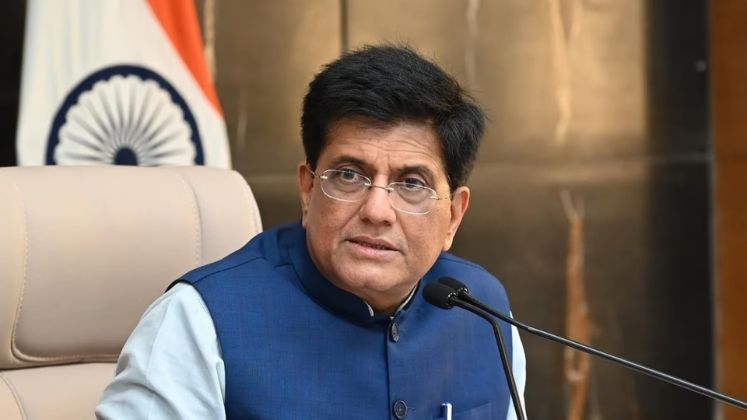
In a major win for “Make in India,” Commerce Minister Piyush Goyal on Saturday announced that a vast array of Indian products—ranging from smartphones to spices—will now enter the United States at zero duty. Under the newly unveiled India-US interim trade framework, Washington has slashed the effective tariff on most Indian goods from a staggering 50% down to 18%, while completely eliminating duties on high-value priority sectors.
The deal, finalized following high-level talks between PM Narendra Modi and US President Donald Trump, positions India as a more attractive trade partner than regional rivals like China (30-35%) and Bangladesh (20%).
The “Zero Tariff” List: What India Can Now Export Duty-Free
Minister Goyal detailed specific sectors that will bypass the 18% cap to enjoy total duty exemptions. This move is expected to boost India’s export competitiveness by billions of dollars annually.
| Category | Specific Products with 0% US Duty |
| High-Tech & Manufacturing | Smartphones, Aircraft Parts, Generic Pharmaceuticals ($13B value) |
| Luxury & Metals | Gems and Diamonds, Platinum, Clocks, and Watches |
| Agriculture & Produce | Spices, Tea, Coffee, Cashew Nuts, Mangoes, Bananas, Avocado, Pineapple |
| Specialty Goods | Silk Products, Coconut Oil, Vegetable Wax, Mushrooms, Select Bakery Items |
Protecting the “Red Lines”: No GM Foods, No Dairy Concessions
While securing duty-free access for Indian farmers, Goyal was firm that India’s domestic agricultural interests remain untouched. He clarified that the government did not budge on its “red lines,” ensuring:
- No US Genetically Modified (GM) products will be allowed into India.
- Sensitive sectors like dairy, poultry, rice, wheat, and sugar remain fully protected with no tariff concessions for US farmers.
“We have not included any item where an Indian farmer will be hurt,” Goyal asserted. “Indian agricultural products will reach US shores at zero duty, but we have granted no reciprocal access for US agricultural staples.”
A $500 Billion Strategic Roadmap
The interim pact serves as a precursor to a full Bilateral Trade Agreement (BTA). As part of the deal, India has signaled its intent to purchase $500 billion in US energy, aircraft, technology (including AI-ready GPUs), and coking coal over the next five years. This “transactional diplomacy” also secures India an exemption from punitive “Section 232” tariffs previously imposed on steel and aluminum-linked components.