

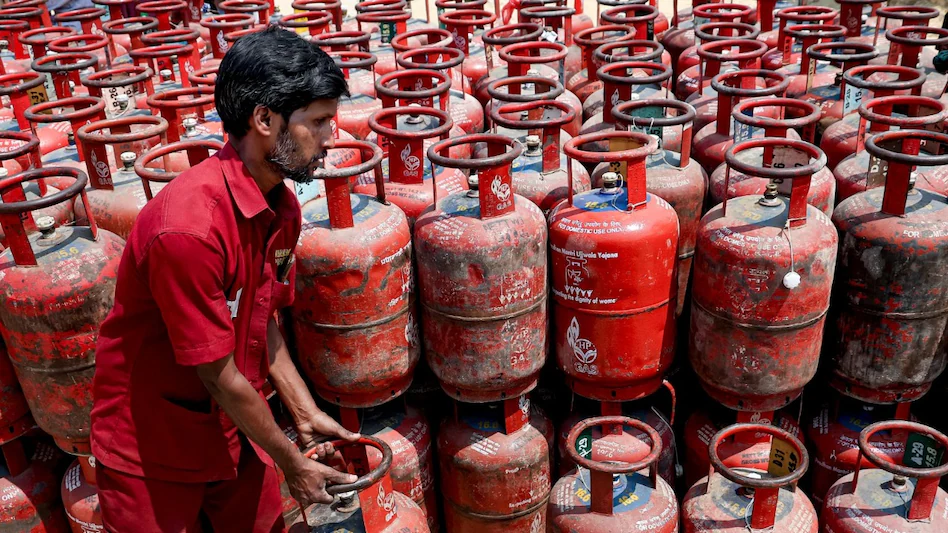
Escalating conflicts in West Asia have exposed a critical vulnerability in India’s energy supply, triggering a sudden and massive shift from traditional LPG cylinders to Piped Natural Gas (PNG). Because India imports roughly 60% of its LPG, current geopolitical shocks have prompted the government to aggressively prioritize continuous pipeline fuel for households. The panic is palpable: Delhi-NCR alone witnessed a historic rush of over 22,000 new PNG registrations in just 15 days as consumers scramble to secure their kitchen fuel.
The economics driving this transition are straightforward. LPG prices are shackled to volatile global benchmarks. When international crises hit, cylinder supplies tighten. PNG, conversely, offers metered billing, predictable pricing, and a 24/7 supply without the headache of refill bookings. It also boasts a superior safety profile; piped gas is lighter than air, meaning leaks dissipate quickly rather than pooling dangerously on kitchen floors like LPG.
However, the transition is far from seamless. While urban centers often find PNG cheaper than unsubsidized LPG, the infrastructure gap remains a critical bottleneck. Pipeline networks are expanding—with a government target of 12.6 crore connections by 2034—but last-mile connectivity still lags significantly, particularly in rural areas and Northeastern states like Assam.
Even where pipelines exist, psychological barriers persist. In Nashik, over 30,000 households refuse to surrender their LPG cylinders despite having active PNG connections, hedging their bets against potential pipeline failures.
The government’s recent move to cap industrial PNG supply at 80% to ensure homes stay lit proves the domestic network is still under stress during demand spikes. Ultimately, the Middle East conflict isn’t the root cause of India’s pipeline push—it’s the catalyst. Energy security is forcing the country’s hand, proving that the shift away from cylinders is no longer an urban luxury, but a national economic imperative.