

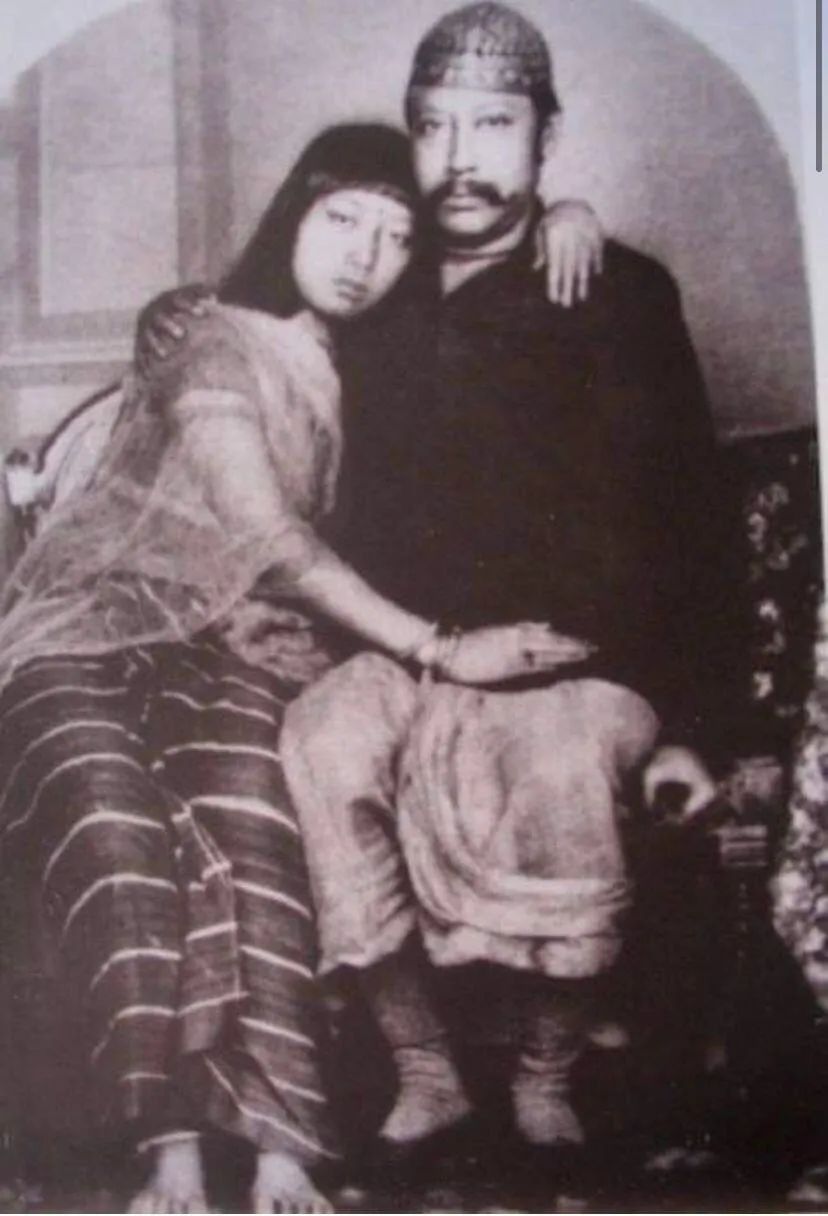
Long before smartphones and front cameras made selfies ubiquitous, a 19th-century Indian royal was pioneering self-photography with remarkable ingenuity. Maharaja Bir Chandra Manikya of Tripura and his queen Maharani Khuman Chanu Manmohini Devi captured what is believed to be India’s first selfie around 1880.
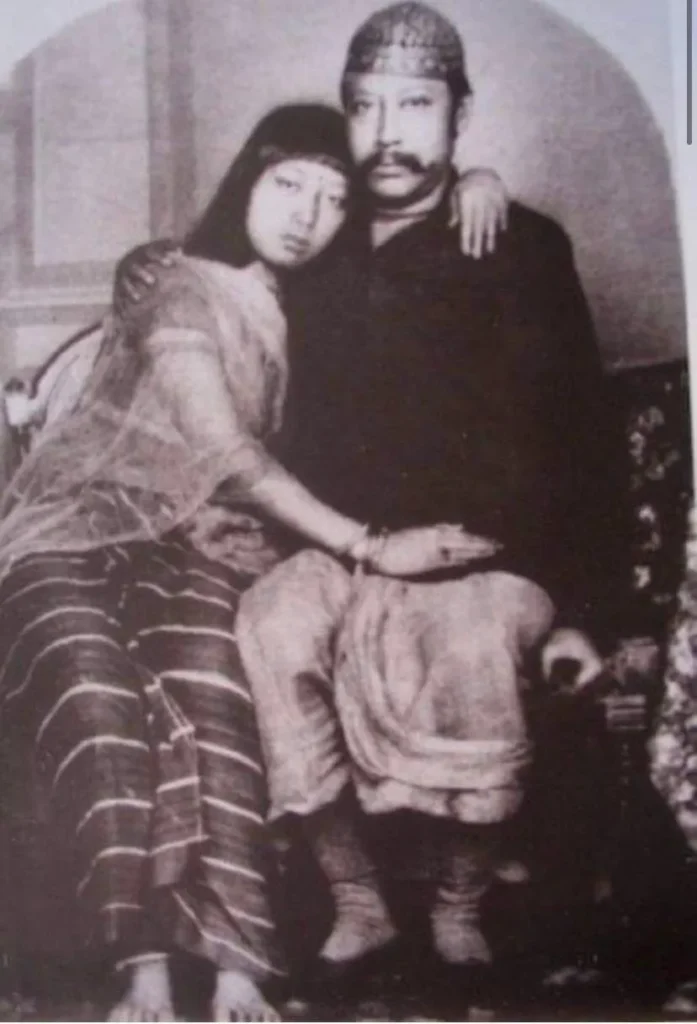
The photograph shows the royal couple in close embrace, with the king’s hand resting on a small lever connected by a long wire to the camera—an ingenious remote shutter system that allowed them to capture the intimate moment without anyone else present.
A Royal Innovation
Maharaja Bir Chandra Manikya was only the second Indian royal to possess a camera, the first being Raja Deen Dayal of Indore. His passion for photography led him to develop a methodology of “long wire shutter control” that enabled self-portraiture decades before the concept became mainstream.
On closer observation of the historic photograph, the lever device is visible on the right side of the frame. Pull the lever, and the camera captures the moment—a simple yet revolutionary concept for its time.
Building India’s Early Photography Infrastructure
In an era when developing photographs was rare in Indian society and all materials had to be sourced from Calcutta, the Maharaja built his own darkroom in the palace to develop pictures. He later added props and various backdrops to create a complete studio setup.
The king was keen that his queen learn the technique as well. M.K. Pragya Deb Burman, convenor of INTACH Tripura Chapter and a descendant of the late Maharaja, told The Hindu that “he was responsible for introducing daguerreotype photographs in East India.”
A Forward-Thinking Monarch
Beyond photography, Bir Chandra Manikya was a remarkable architect credited with planning modern Agartala. He established the Camera Club of the Palace of Agartala to display his photographs and encouraged reforms throughout Tripura.
“He was a pioneer in giving a fillip to arts and photography and so was his better half, Manmohini Devi. In fact, the duo laid the foundation of Tripura’s historical bond with arts,” Burman noted.
From Photograph to Painting
The Maharaja later painted the iconic selfie from the original photograph. This painting is now displayed at exhibitions showcasing Tripura’s history and culture, preserving a moment of innovation that predated the smartphone selfie by well over a century.